

Behind Every Cup of Coffee
Many people enjoy a cup of coffee every morning, but few realize the long journey each bean takes before it reaches their table. Behind the rich aroma and distinctive taste of Indonesian coffee lies the story of farmers’ perseverance — a story of hard work, patience, and love for their land.
From Farm to Basket
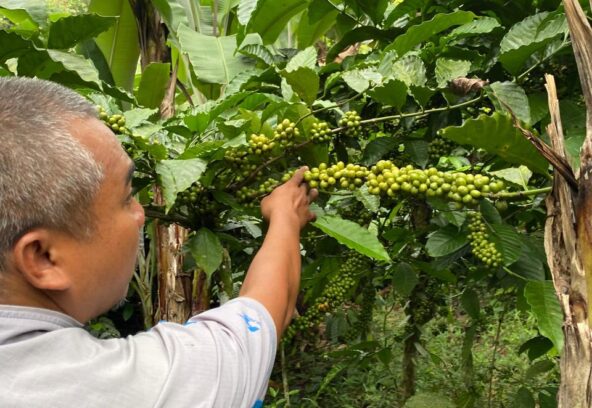
The journey begins in the lush highlands of Lombok, Sumatra, and Java, where farmers tend to their coffee trees throughout the year. They face unpredictable weather, pests, and natural challenges that threaten their harvest.
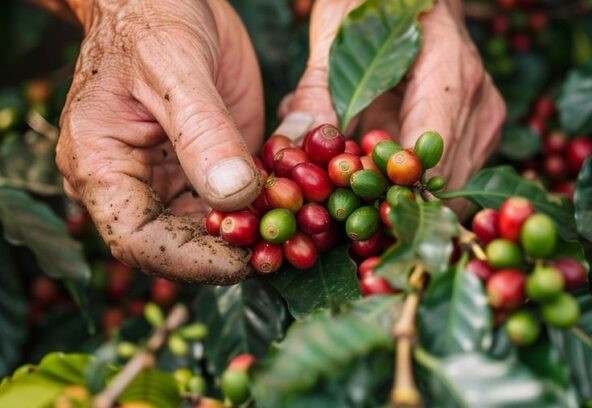
When harvest season comes, farmers carefully handpick only the ripest cherries, glowing bright red. This process is often done manually, requiring trained eyes and skilled hands to ensure only the best beans are selected.
A Process of Patience
Once picked, the cherries go through washing, fermentation, drying, and sorting. Each step demands precision, as even the smallest mistake can affect the final flavor profile. Farmers work tirelessly, monitoring moisture levels and sun-drying beans with meticulous care.
Economic Struggles and Hope
For many farmers, coffee is not just a source of income — it is a family heritage and the pride of their village. Yet, the price of coffee in the market often does not reflect the hard labor behind it. This is why strong partnerships with exporters and international buyers are essential, ensuring farmers receive fair value for their dedication.
From Village to the World
The next time you savor a cup of coffee, remember the hands that made it possible. Behind every sip lies sweat, resilience, and the hope of farmers who nurture these beans from tree to trade.