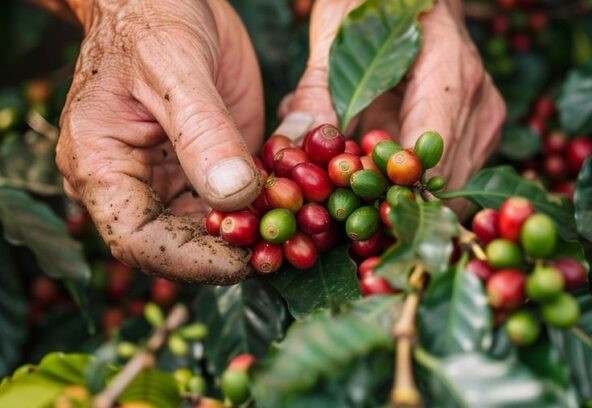


The Coffee Culture in Indonesia: A Tradition Rooted in Hospitality
Coffee isn’t just a drink in Indonesia — it is a symbol of respect, warmth, and togetherness. Across the archipelago, from Sumatra to Lombok, serving coffee to guests has become a deeply rooted tradition that reflects the values of Indonesian communities.
When someone visits, the first thing offered is often a warm cup of coffee. This gesture represents hospitality, friendship, and a sincere welcome. But why coffee? And why is this tradition so strong in Indonesian culture?
Coffee as a Symbol of Hospitality
In many Indonesian households, serving coffee to guests is a sign of honor. Whether the guest stays for a few minutes or an hour, offering coffee shows that the host appreciates their presence.
In traditional villages, especially in Lombok, Java, Bali, and Sumatra, coffee is served:
- To show respect
- To build trust
- To start a warm conversation
- To create a comfortable atmosphere
A simple cup of coffee becomes a bridge between people — a universal language of welcome.


Coffee and Indonesia’s Cultural Identity
Coffee has been a part of Indonesian life for hundreds of years. Indonesia is one of the world’s largest coffee producers, and many regions have their own unique traditions:
- Aceh has “ngopi” traditions in warm chat houses.
- Toraja uses coffee in rituals and ceremonies.
- Java is famous for “wedangan,” late-night coffee gatherings.
- Lombok has a strong culture of sharing coffee during family and neighbor visits.
These traditions show how coffee is deeply tied to community, identity, and heritage.
Why People Serve Coffee to Visitors
There are several cultural reasons:
✔ A sign of respect
Coffee shows that the host values the guest and welcomes them warmly.
✔ A way to connect socially
Conversation flows naturally when coffee is served — it creates a relaxed environment.
✔ A symbol of friendship
Sharing coffee often marks the beginning of trust and long-lasting relationships.
✔ Part of daily routine
In many households, coffee is brewed multiple times a day — making it easy and natural to serve to visitors.
Coffee as Part of Indonesia’s Daily Life
Coffee is not just a beverage — it’s a daily ritual:
- Morning coffee to start the day
- Afternoon coffee for relaxation
- Evening coffee for family or village gatherings
- Coffee shops (warung kopi) as community hubs
From traditional warungs to modern cafés, coffee connects people from all backgrounds and generations.
The Connection Between Culture and Coffee Business
Indonesia’s strong coffee culture also influences the national coffee industry.
With habits like daily brewing and serving guests, demand for coffee stays high. Regions like Lombok, Sembalun, Gayo, Toraja, and Flores continue to grow their reputation as producers of high-quality Arabica and Robusta beans.
For exporters like Tria Zone Nusantara, this cultural richness adds value to the coffee — making it not just an agricultural product, but a story of tradition, warmth, and identity.
Coffee: More Than a Drink — A Cultural Heritage
The habit of serving coffee to guests reflects the heart of Indonesian culture:
- Hospitality
- Respect
- Togetherness
- Warmth
Every cup tells a story. Every sip connects people. And every moment shared over coffee becomes part of Indonesia’s cultural heritage.